


Beyond Blood Pressure: 6 Numbers Your Cardiologist Wants You to Know
Learn six numbers beyond blood pressure, including cholesterol, blood sugar, and A1C, that impact your heart health.
Important information on texting our practice! The text option is NOT monitored on Saturday/Sunday.
Please be sure to include your Date of Birth, Last Name, and if you are a New or Returning patient in your text message.
If this is an emergency, please do NOT send by text. Thank you!
Reminder: Online appointment requests are not confirmed bookings. We’ll contact you to confirm your time and provider. Thank you!
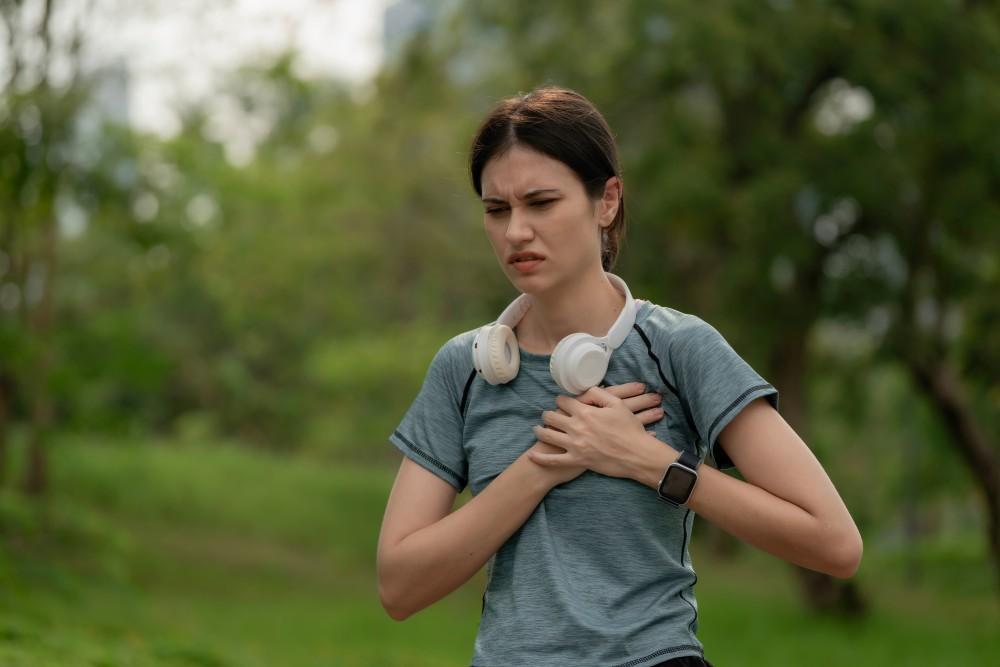
Exercise naturally makes your heart beat faster and increases your breathing rate. However, feeling chest tightness or pressure during physical activity isn't something you should ignore.
Some causes are harmless, but chest tightness can also indicate an underlying cardiovascular condition that requires medical attention.
The team at Chinatown Cardiology, with four convenient New York City locations, conducts comprehensive cardiovascular evaluations and advanced diagnostic testing to identify the cause of exercise-related chest discomfort.
Our experienced cardiologists help you understand your symptoms and determine whether your heart is functioning as it should.
When you exercise, your muscles use more oxygen, making your heart pump harder and faster. If your heart struggles to meet these increased demands, you may experience chest discomfort.
Several conditions can contribute to chest tightness during physical activity, including:
CAD occurs when plaque buildup narrows the arteries that supply blood to your heart, potentially restricting oxygen delivery during exercise.
Angina results from reduced blood flow to your heart muscle and can cause squeezing, pressure, or tightness in your chest, particularly during physical exertion.
Narrowing of airways during exercise can cause chest tightness, coughing, and difficulty breathing.
Overworked chest muscles can cause soreness or tightness, especially after strenuous activity.
Physical movement may aggravate reflux symptoms, causing burning or chest discomfort.
Because all these conditions can produce similar symptoms, identifying the underlying cause is essential.
Occasional muscle soreness after exercise isn't necessarily concerning. However, chest tightness during physical activity deserves prompt medical evaluation, particularly if it's new or recurring.
Warning signs that warrant attention include:
Your cardiovascular risk factors also matter. High blood pressure (hypertension), elevated cholesterol, diabetes, smoking, and a family history of heart disease can increase your likelihood of developing coronary artery disease.
Don't exercise with chest tightness. Stop the activity and seek medical guidance.
If chest discomfort is new, severe, persistent, or accompanied by sweating, nausea, fainting, significant shortness of breath, or pain spreading to your arm, jaw, or back, call 911 immediately. These symptoms may indicate a heart attack.
At Chinatown Cardiology, our team reviews your symptoms, medical history, and cardiovascular risk factors to determine which diagnostic tests are appropriate.
Depending on your symptoms, we may recommend:
An EKG records your heart's electrical activity and helps identify abnormal rhythms or signs of cardiac problems.
An echocardiogram is an ultrasound examination that provides detailed images of your heart's structure, valves, and pumping function.
A cardiac stress test evaluates how your heart performs under increased demand. You may walk on a treadmill while we monitor your heart rate, blood pressure, and electrical activity.
Additional imaging can help identify areas of reduced blood flow that may contribute to exercise-related symptoms.
Chest tightness during exercise doesn't mean you have heart disease, but identifying the cause can protect your long-term cardiovascular health. Our team can evaluate your symptoms, detect potential concerns, and help you return to physical activity with greater confidence.
If you experience recurring chest discomfort during physical activity, call the Chinatown Cardiology location near you today or request an appointment online.


